Assessing the Impact of the June 24th Venezuela Earthquake and Collaborating with Local Charities for Relief Efforts
The earthquake that struck Venezuela on June 24th shook not only the ground beneath but also the lives of thousands of people. Its sudden force caused significant damage to infrastructure, homes, and essential services, leaving many communities vulnerable and in urgent need of assistance. Understanding the full impact of this natural disaster is crucial to organizing effective relief efforts. Equally important is partnering with local charities that have deep knowledge of the affected areas to ensure aid reaches those who need it most.
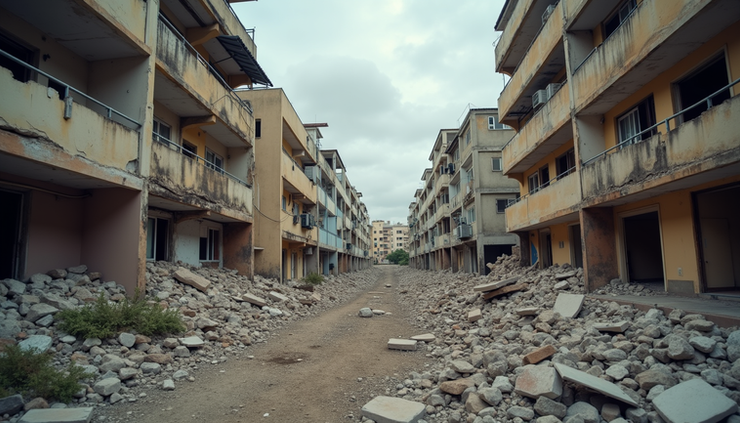
Damaged residential buildings in Venezuela after the June 24th earthquake
Understanding the Scope of the Earthquake’s Impact
The earthquake registered a significant magnitude, causing widespread destruction across several regions. Initial reports indicated:
Structural damage to homes, schools, and hospitals, leaving many buildings unsafe.
Disruption of utilities such as electricity, water, and communication networks.
Road and bridge damage that hindered transportation and emergency response.
Casualties and injuries, with local hospitals overwhelmed by the sudden influx of patients.
Assessing the damage requires coordinated efforts from government agencies, emergency responders, and independent organizations. Satellite imagery, ground surveys, and local reports help create a clearer picture of the hardest-hit areas. This data guides decisions about where to send resources first and what types of aid are most urgent.
Prioritizing Immediate Needs
After a disaster of this scale, the immediate priorities focus on saving lives and preventing further harm. These include:
Search and rescue operations to find survivors trapped under rubble.
Medical care for the injured, including trauma treatment and disease prevention.
Provision of clean water and food to prevent dehydration and malnutrition.
Temporary shelter for those who lost their homes.
Local charities often have the advantage of existing networks and knowledge of the terrain, which allows them to respond quickly. Their involvement is essential in reaching remote or isolated communities that larger organizations might struggle to access.
Partnering with Local Charities for Effective Relief
Collaborating with local charities strengthens relief efforts in several ways:
Cultural understanding: Local groups know the customs and languages of affected populations, improving communication and trust.
Established relationships: They often have ongoing projects and contacts that facilitate faster distribution of aid.
Resource efficiency: Local charities can identify specific needs and avoid duplication of efforts.
Examples of successful partnerships include joint distribution of hygiene kits, medical supplies, and food parcels. These collaborations also help in gathering feedback from communities to adjust aid plans as conditions evolve.
Assessing Long-Term Recovery Needs
While immediate relief is critical, planning for recovery is equally important. The earthquake’s impact will affect communities for months or years. Key areas to focus on include:
Rebuilding infrastructure such as homes, schools, and healthcare facilities.
Restoring utilities to support daily life and economic activities.
Mental health support for survivors coping with trauma.
Economic assistance to help families regain livelihoods.
Local charities often play a role in recovery projects, working alongside government and international agencies. Their ongoing presence ensures that rebuilding efforts align with community priorities and sustainability.
How to Support Relief Efforts
Individuals and organizations looking to help can take several steps:
Donate to trusted local charities that have a proven track record in disaster response.
Volunteer skills or resources if able to contribute directly.
Raise awareness about the situation to encourage broader support.
Advocate for coordinated aid to avoid fragmented or inefficient responses.
Before donating or volunteering, it is important to verify the legitimacy of organizations and understand how contributions will be used. Transparency and accountability are key to ensuring aid reaches those in need.
The June 24th earthquake in Venezuela has left a lasting mark on affected communities. Assessing its impact thoroughly and partnering with local charities are essential steps in delivering timely and effective relief. By focusing on immediate needs and planning for long-term recovery, we can help rebuild lives and strengthen resilience against future disasters. Supporting local organizations not only improves aid delivery but also empowers communities to recover with dignity and hope.


Comments